Notes
Slide Show
Outline
1
Chapter 9:  Atomic Absorption & Atomic Fluorescence Spectrometry
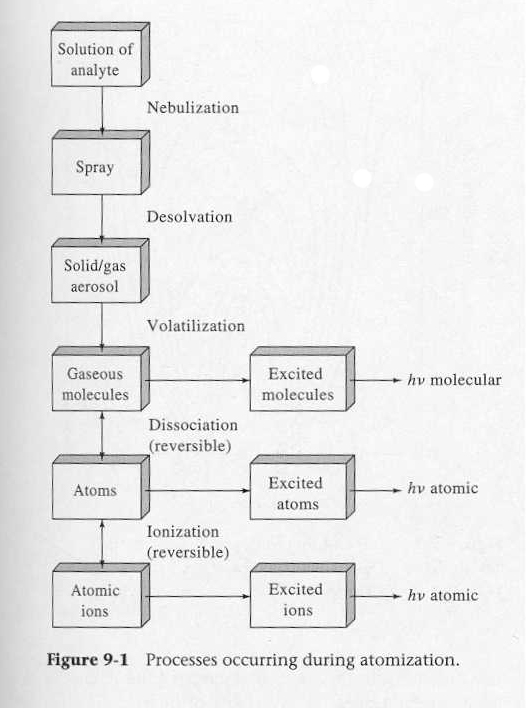
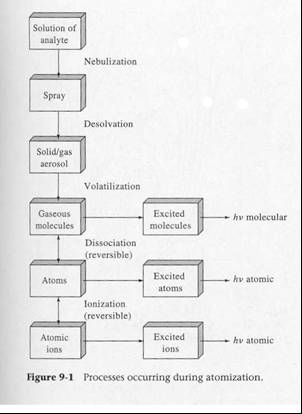
  • Sample Atomization
  • Atomic Absorption (AA)
  • Atomic Fluorescence (AF)


  • Both AA and AF require a light source
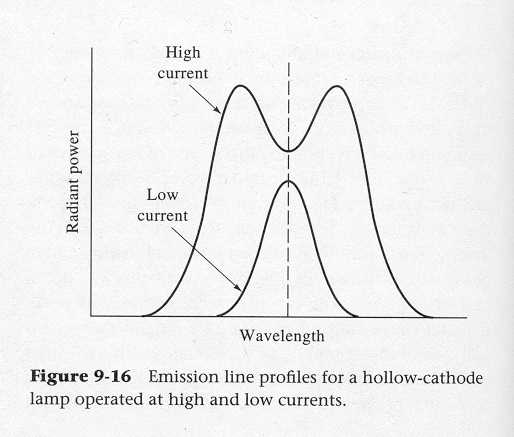
  • Like Molecular Absorption & Fluorescence, in AA high intensity is NOT required, in AF high intensity results in greater sensitivity
2
 
3
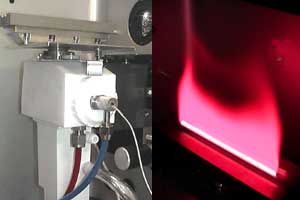
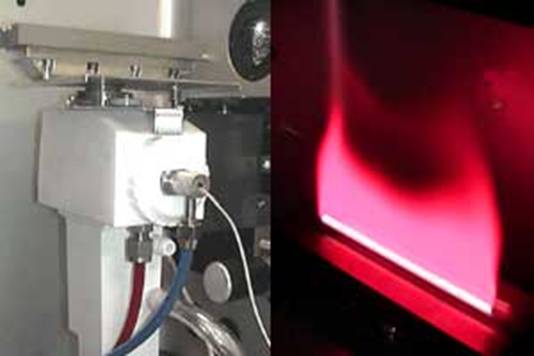
AA Slot Burner and Flame
4
 
5
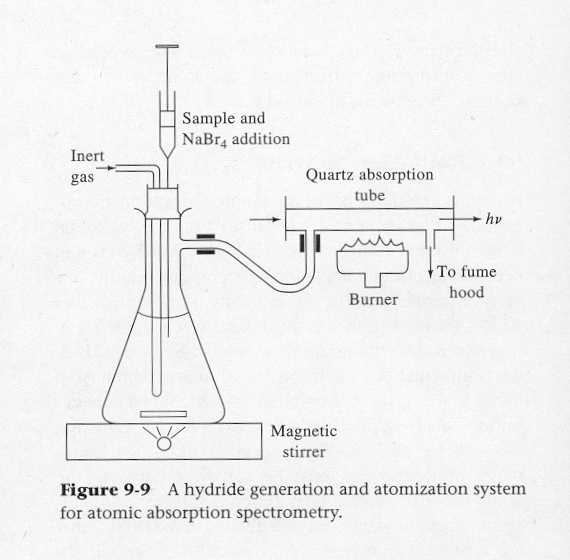
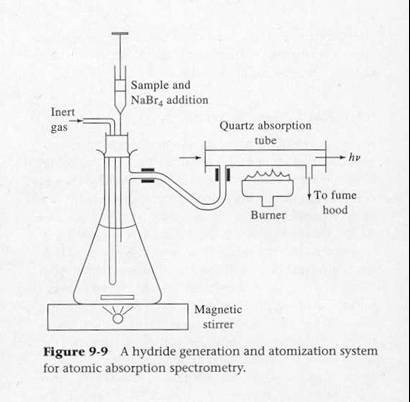
There are many possible variations  for the hydride generation apparatus
6
"Interferences in AA can be"
  • Interferences in AA can be
  • Spectral – atomic spectral lines overlap or are too close to resolve – these are rare & generally well known or characterized
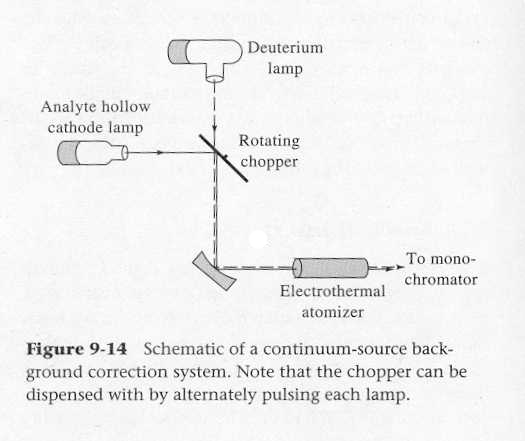
  • Matrix – scattering of radiation during atomization (smoke), enhancement by matrix elements, structured background – handled by background correction
  • Chemical – reactions that take place to alter the analyte (like Ca atoms reacting with PO4 to form a new species) – change conditions
7
"Background Correction in AA"
  • Background Correction in AA
  • Two-Line correction (not very common)
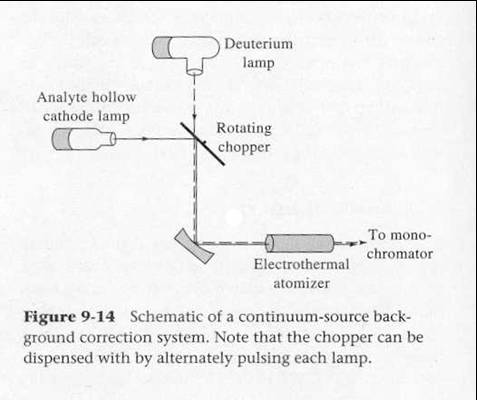
  • Continuous source correction (very common)
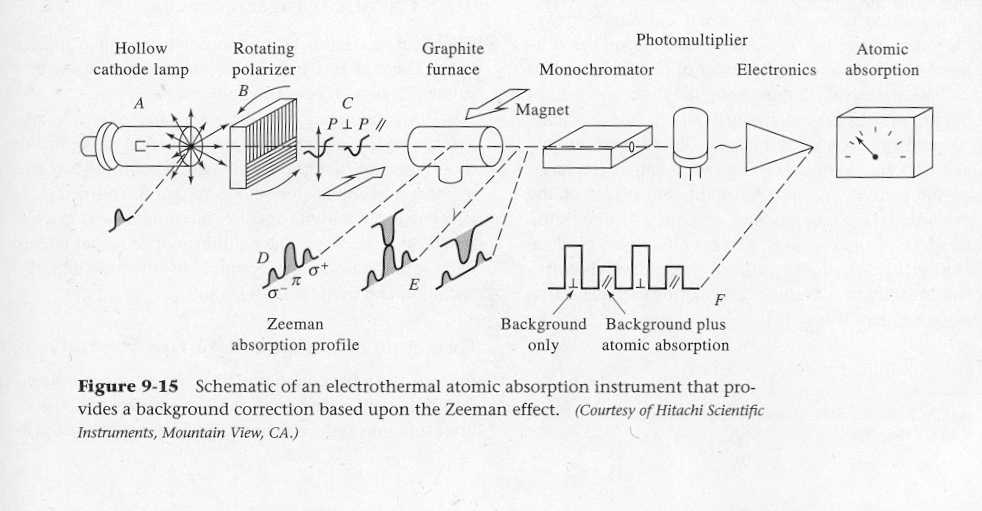
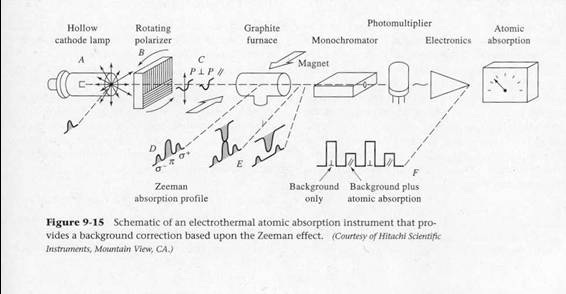
  • Zeeman background correction (common for graphite furnace instruments)
  • Smith-Hieftje correction (relatively new ‘83)
8
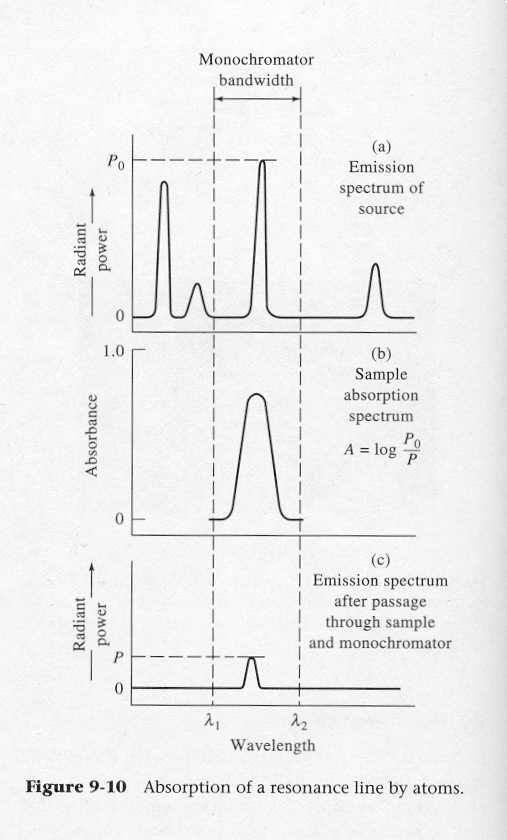
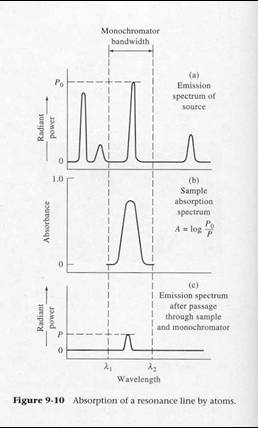
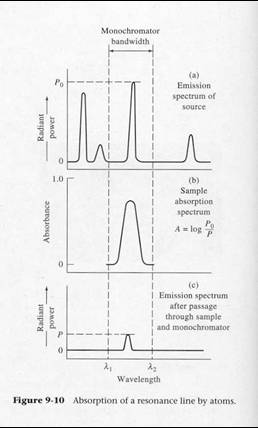
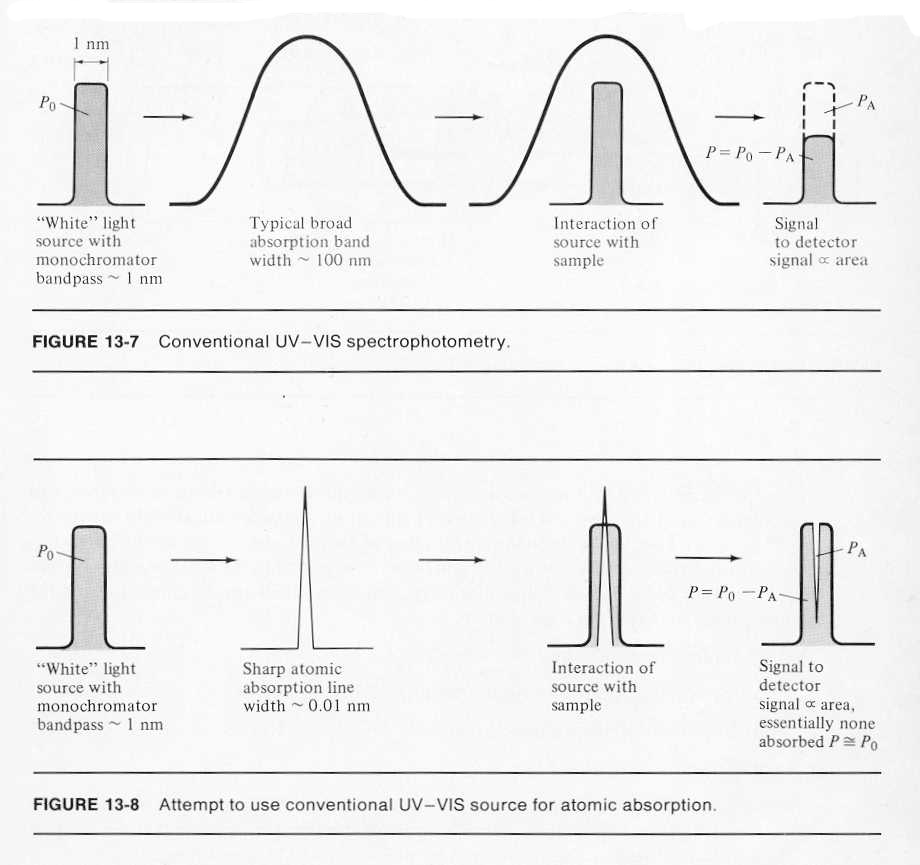
Normal or idealized situation for the absorption of source radiation in AA
9
Normally assume baseline is flat not structured.  In the absence of peak would have flat baseline Peak height easily measured
10
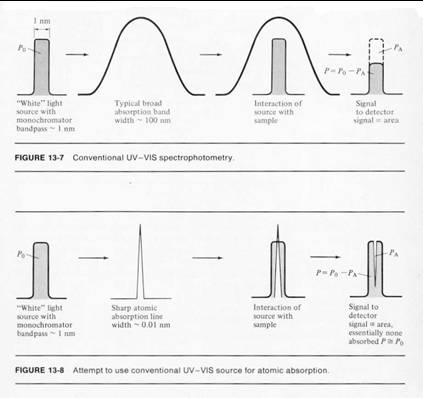
The AA source (HCL or EDL) tells us the absorbance at the λ of interest
11
 
12
 
13
The Zeeman effect splits the absorption peak in a magnetic field & shifts absorption to higher & lower wavelength.  The new absorption peaks interact differently with polarized light allowing analyte & background absorbance to be measured
14
 
15
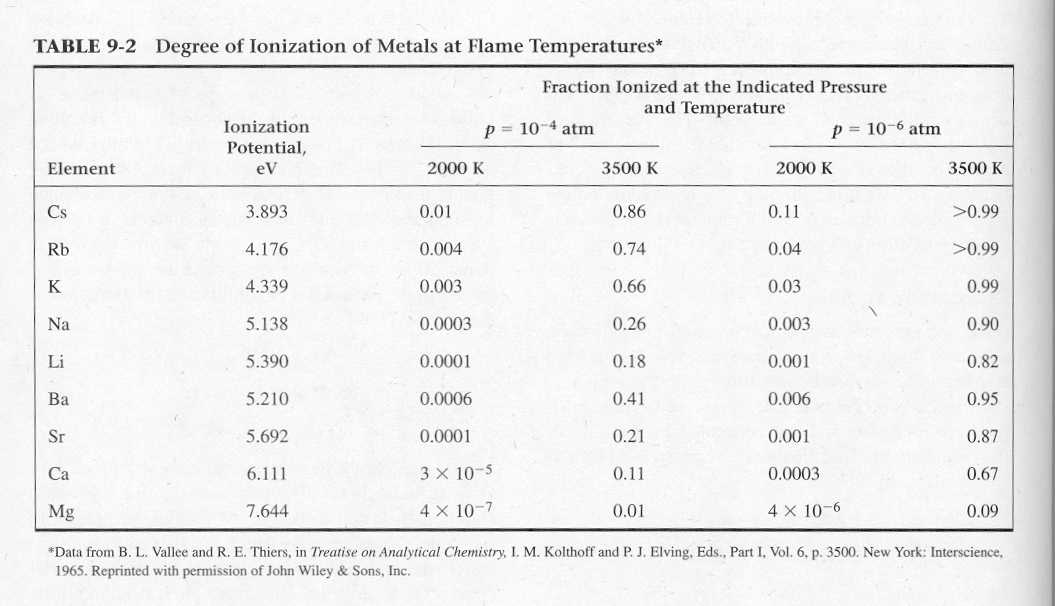
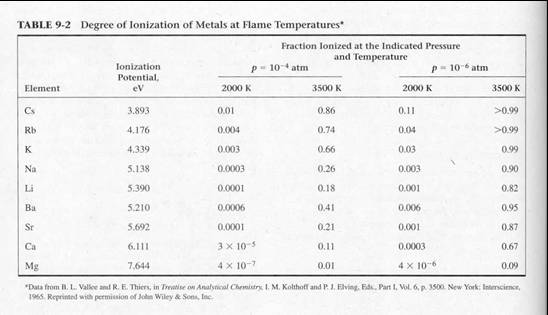
Another type of matrix interference not alleviated by background correction involves variable amounts of analyte  ionization in flames or plasmas
16
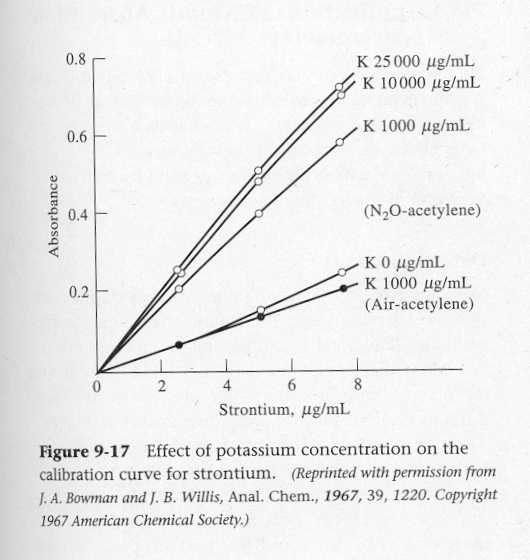
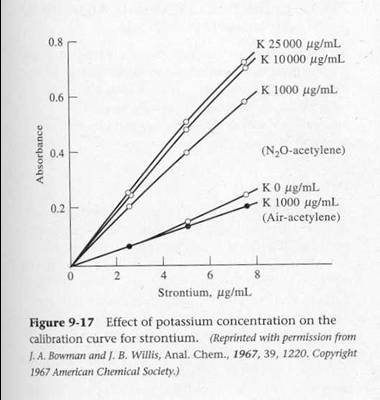
One other factor (other than temp.) that influences degree of ionization is the presence of another easily ionized species. Here K enhances the Sr AA signal by suppressing Sr ionization
17
"Atomic Fluorescence – use an..."
  • Atomic Fluorescence – use an intense light source to excite AF of elements in a flame or plasma.
18
 
19
Chapter 10:  Emission Spectroscopy Using Plasmas, Arcs or Sparks
  • Inductively Coupled Plasma (ICP)
  • Direct Current Plasma (DCP)
  • Arcs and Sparks


20
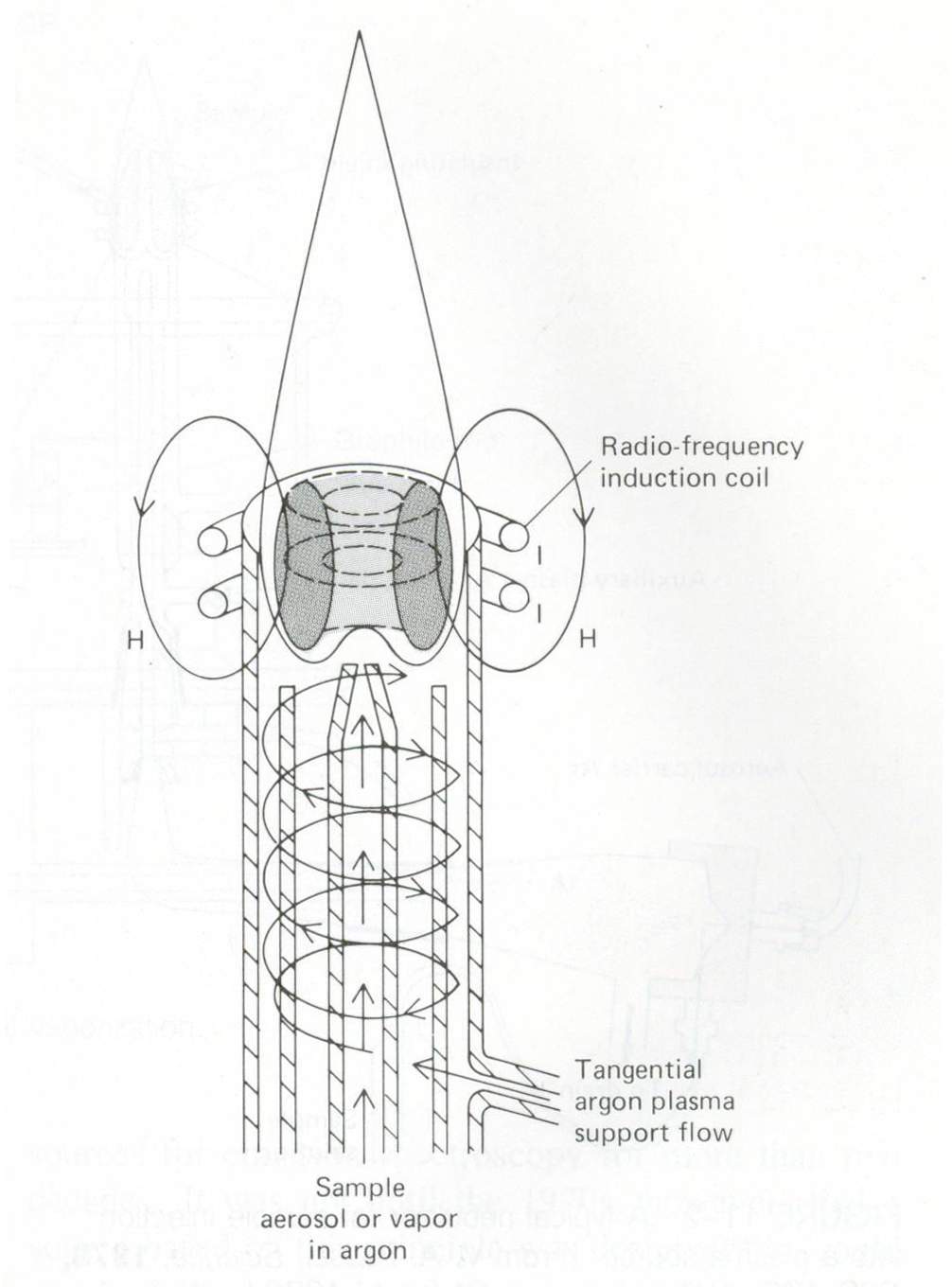
Inductively Coupled Plasma (ICP)
21
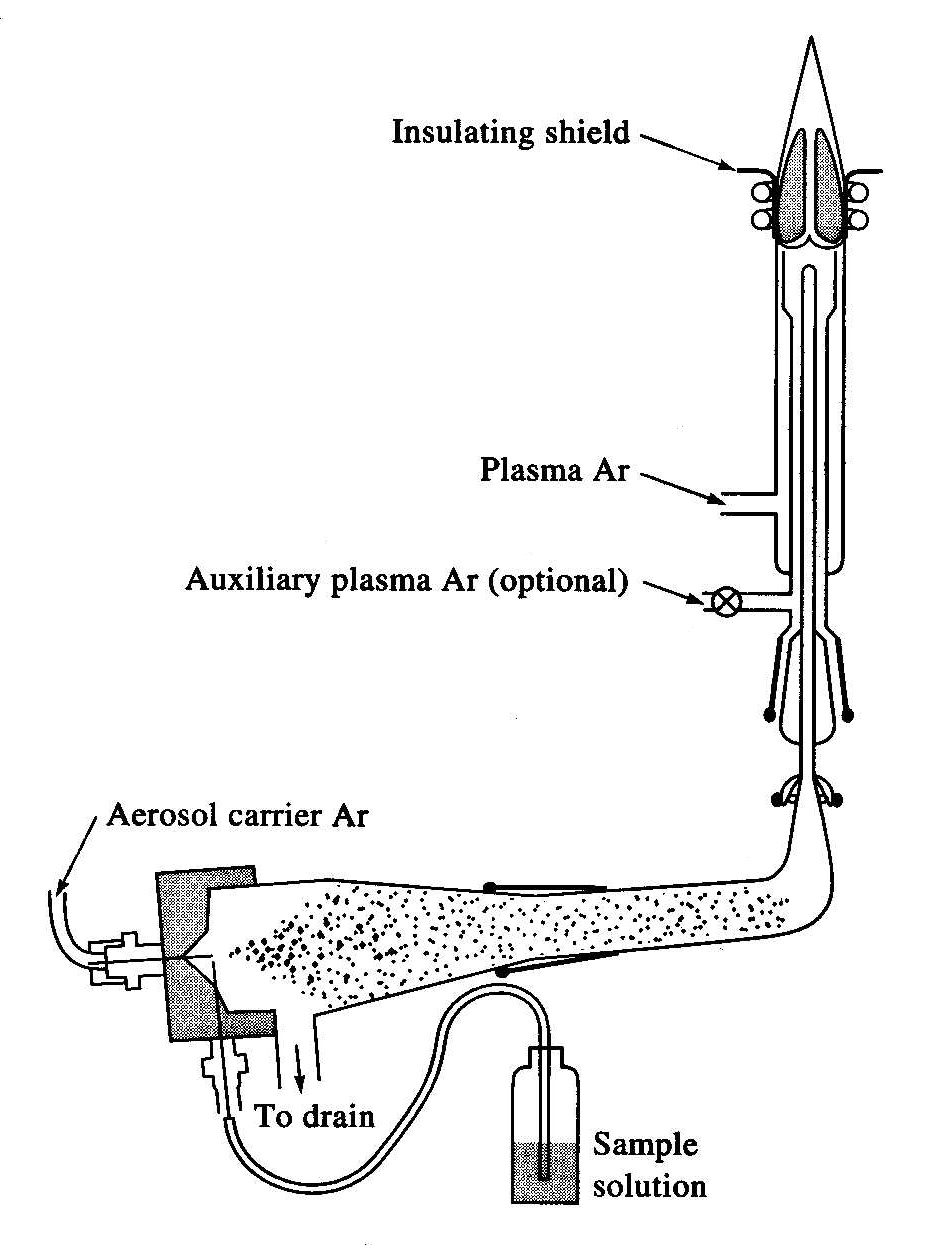
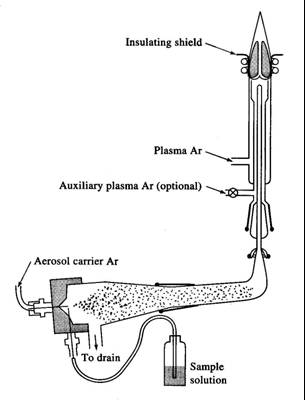
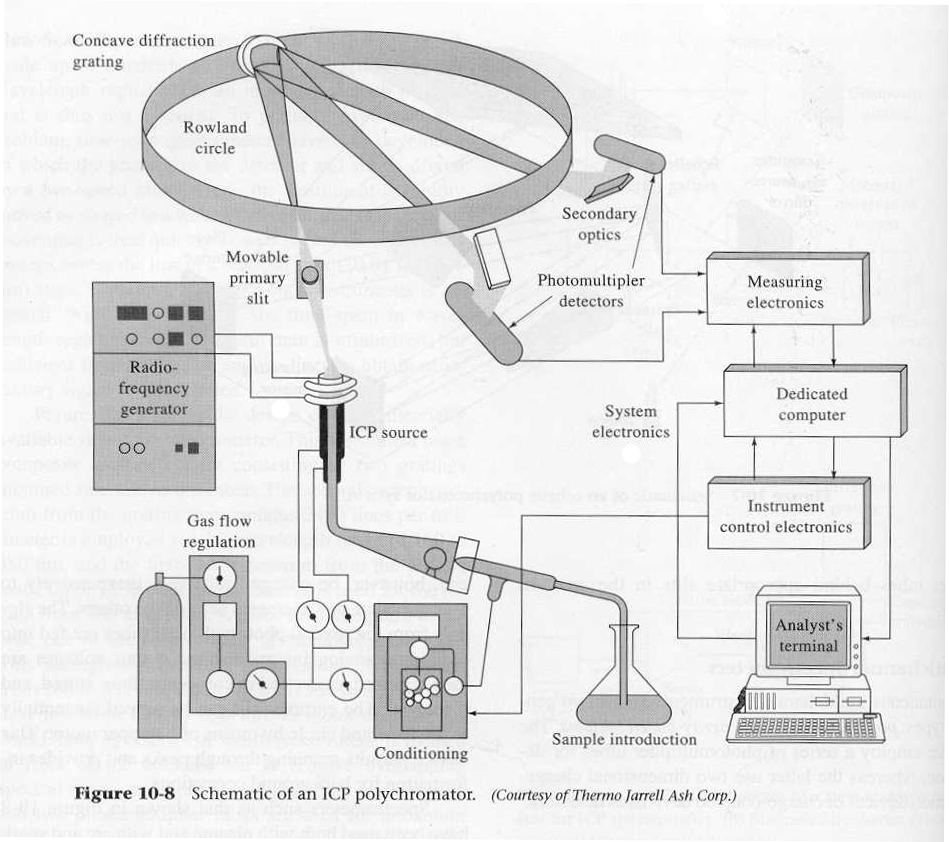
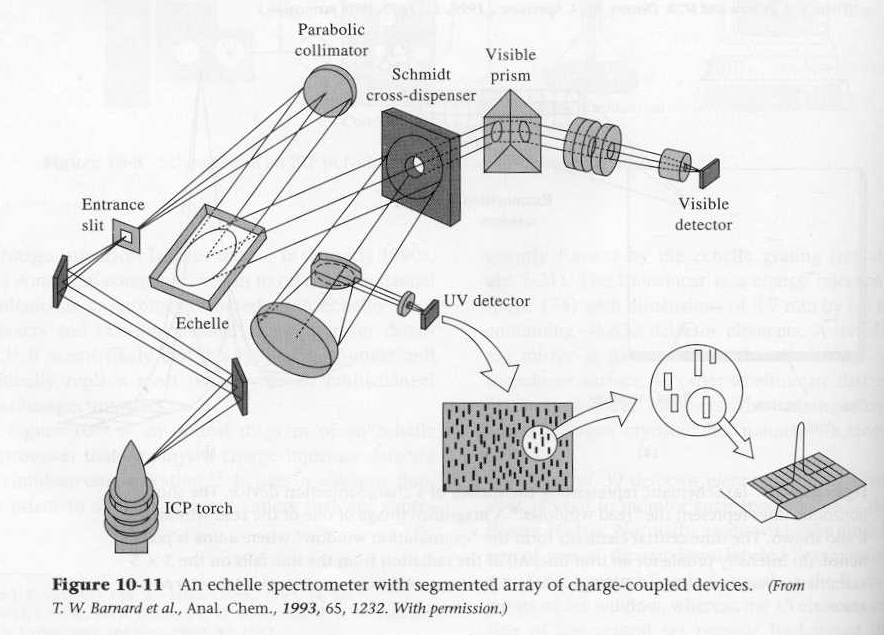
ICP Torch with sample introduction system (nebulizer and spray chamber)
22
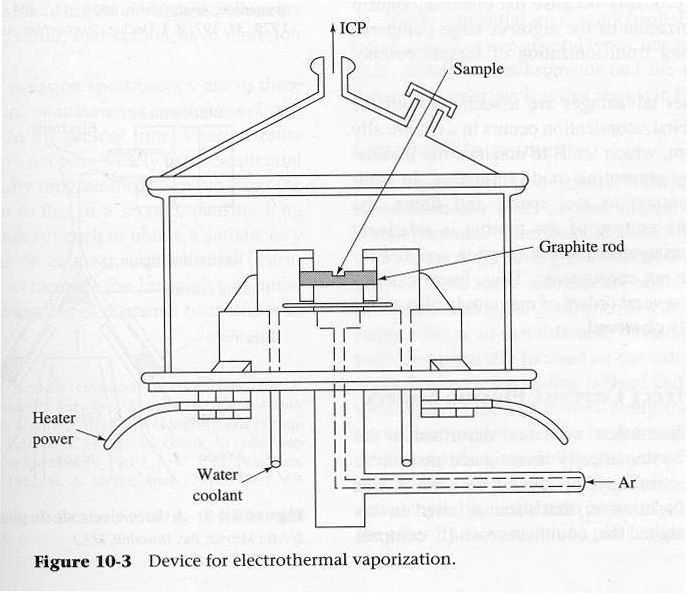
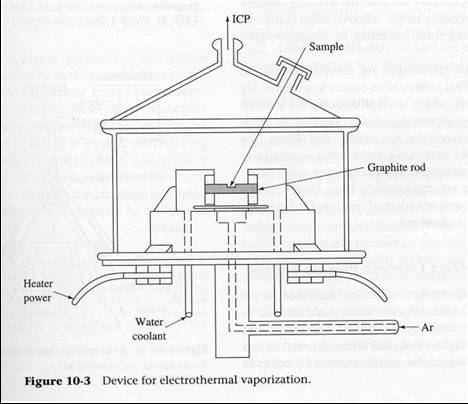
An alternate means of getting sample into ICP
23
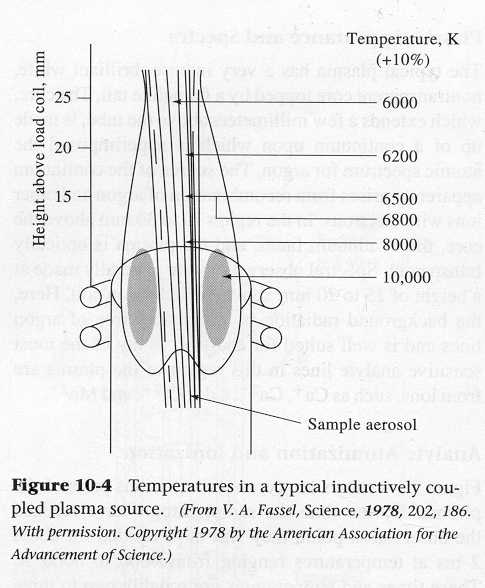
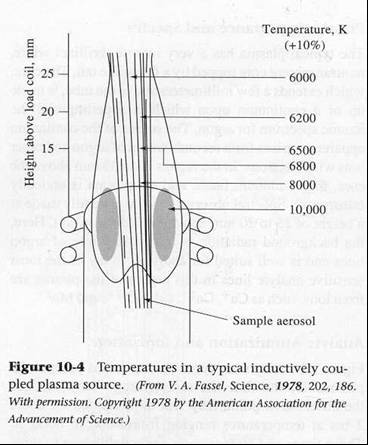
ICP Temps.

The viewing area for each element is typically reported as mm above the load coil
24
 
25
 
26
 
27
 
28
 
29
 
30
 
31
 
32
 
33
 
34
 
35
 
36
 
37
 
38
 
39
 
40
 
41